EnzymeManufacturers
Global enzyme sourcing

Process and quality

How to qualify an enzyme manufacturer

A general guide to fermentation, extraction and quality control. These are evaluation topics, not claims about platform-owned facilities or any supplier's confirmed capabilities.

Typical manufacturing process flow

  1. 1

    Raw material selection

    Approved suppliers for plant materials (papaya latex, pineapple stem), microbial strains (Aspergillus, Trichoderma, Bacillus), ethically sourced animal tissues and media. Each lot is checked against specification before release.

  2. 2

    Strain and inoculum preparation

    Master and working cell banks are maintained in the R&D lab; seed cultures are grown under controlled conditions to ensure a pure, active inoculum.

  3. 3

    Fermentation or extraction

    Submerged or solid-state fermentation for microbial and bacterial enzymes; controlled extraction for plant and animal enzymes. pH, temperature, aeration and time are monitored batch by batch.

  4. 4

    Recovery and purification

    Separation, filtration and concentration remove biomass and impurities while protecting enzyme activity.

  5. 5

    Standardisation and formulation

    Activity is assayed and standardised to the specified units; stabilisers and carriers are added to make powder, granule or liquid grades and customised blends.

  6. 6

    Quality control release

    Every batch is tested for activity, physical and chemical parameters and microbiology, then released with a Certificate of Analysis.

  7. 7

    Packing and labelling

    Hygienic packing in food-grade bags, HDPE drums and jerrycans with batch number, manufacturing and expiry dates and storage instructions.

  8. 8

    Dispatch and technical support

    Domestic dispatch and export with COA, MSDS, TDS and certificates; application team supports dosage trials at the customer's plant.

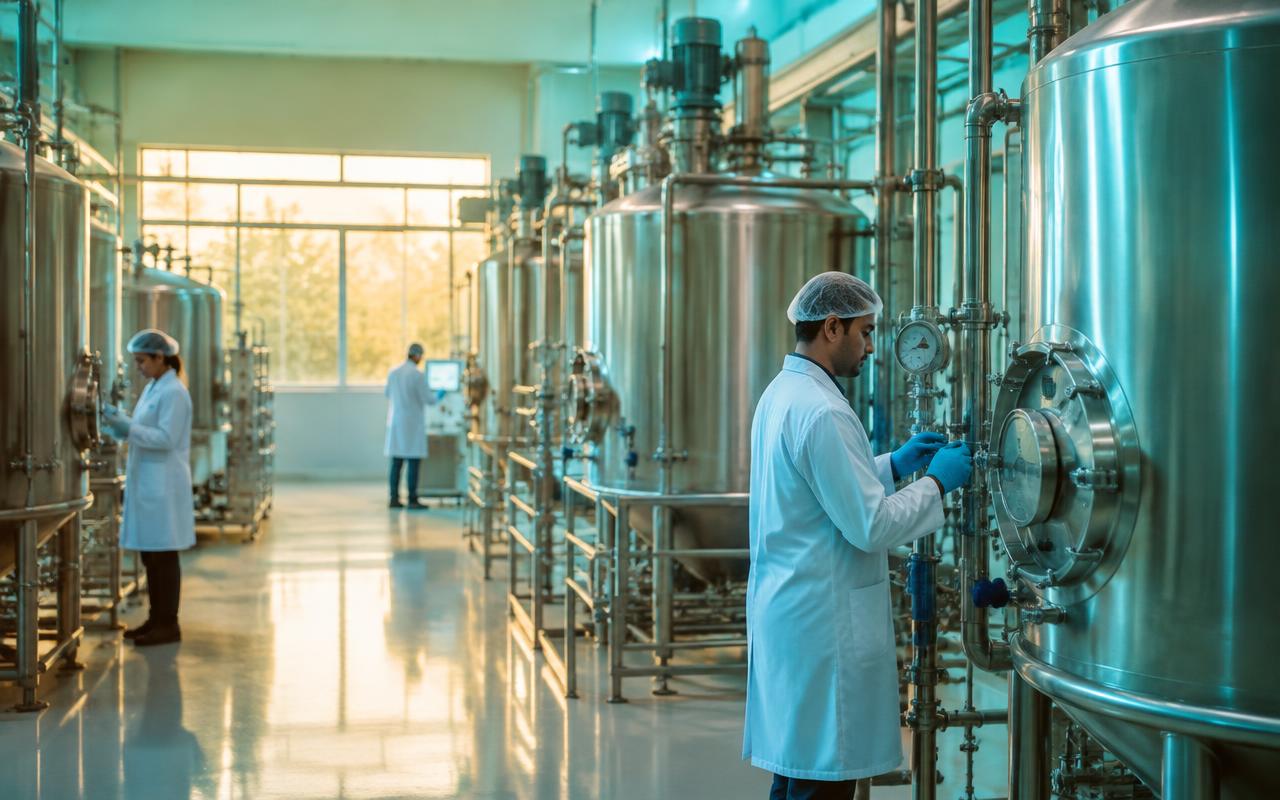
Enzyme fermentation hall
Enzyme fermentation hall (indicative image)
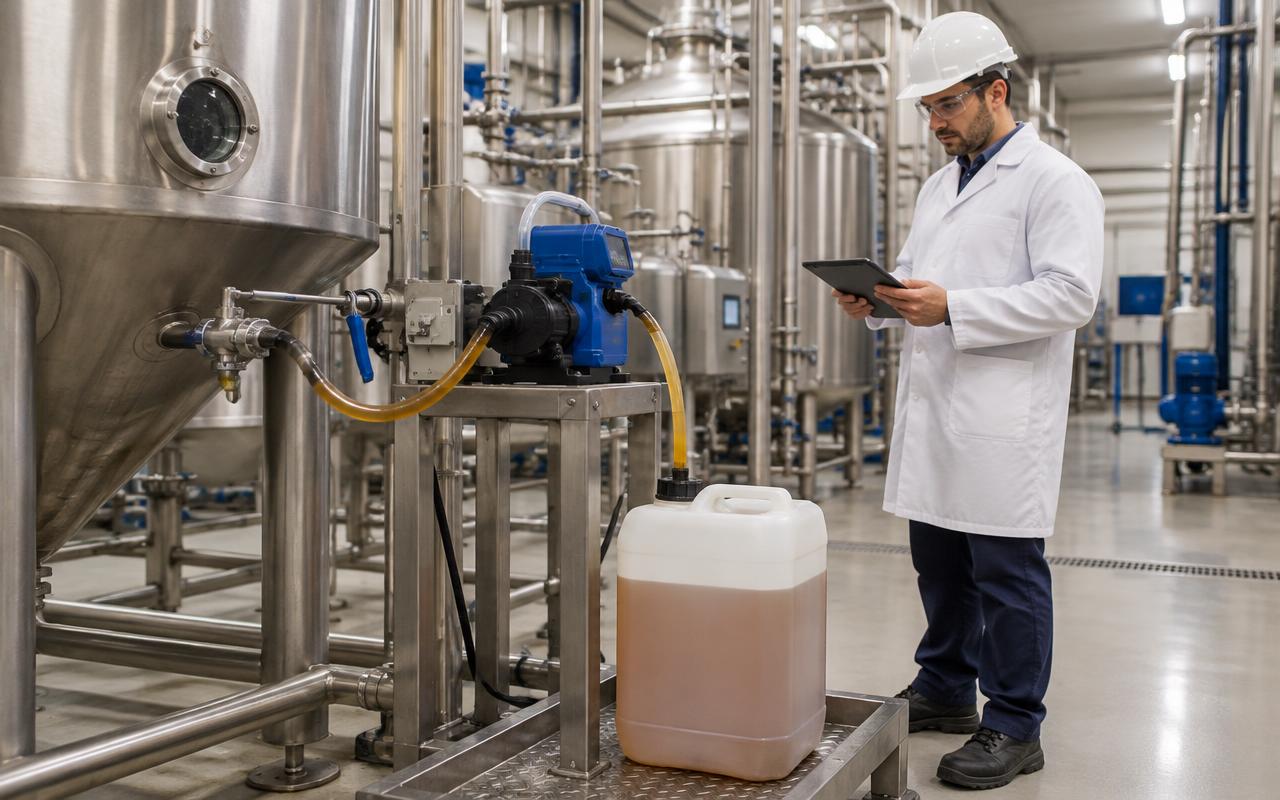
Liquid enzyme dosing in a processing plant
Liquid enzyme dosing in a processing plant (indicative image)

Quality checks to request for each grade

  • Enzyme activity assay against reference standards (units per g or ml)
  • pH and temperature activity profile for the declared application window
  • Moisture, particle size, density and appearance for powders; specific gravity and clarity for liquids
  • Microbiological limits: total plate count, yeast and mould, coliforms, E. coli and Salmonella absence for food and feed grades
  • Heavy metals and contaminants per food/feed grade norms
  • Stability and shelf-life studies with retained samples kept for every batch
  • Application performance tests in the R&D lab that mimic customer processes
Enzyme quality control laboratory
Enzyme quality control laboratory (indicative image)
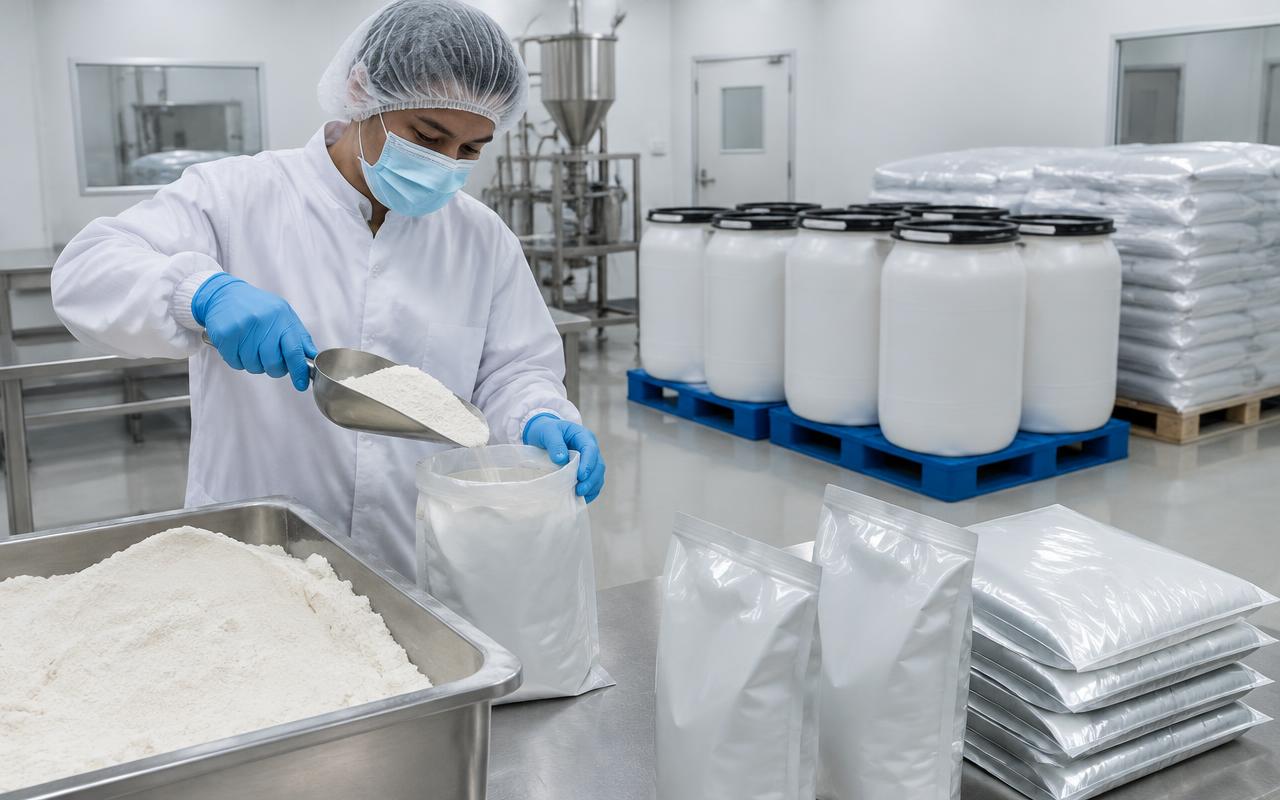
Hygienic enzyme powder packing
Hygienic enzyme powder packing (indicative image)

Quality management

  • ISO 9001:2015 quality management system with HACCP-based food safety controls
  • Check applicable GMP evidence and manufacturing licences for the supplier’s facility and proposed use
  • Verify current Halal or Kosher certificates where required for the exact grade and facility
  • Documented SOPs, batch manufacturing records and full batch traceability from raw material to dispatch
  • Supplier approval, calibration, internal audits, CAPA and change control
  • Trained personnel, hygiene zoning and pest control; customer complaint handling with root-cause analysis

Certifications and approvals

What to check in supplier certifications

Request current certificates directly from the selected manufacturer. Check the issuing body, scope, expiry, listed products and facility. This platform holds no manufacturing certifications.

Supplier qualification checklist, not platform certifications

Activity & COATDS & SDSCertification scopeTrial evidence

ISO 9001:2015

What it covers: A documented quality management system: controlled SOPs, supplier approval, calibration, internal audits, corrective and preventive action and management review.

Why it matters to you: Every batch is made and released the same way, so performance stays consistent from your first trial lot to repeat container orders.

Where buyers ask for it: Requested by procurement teams worldwide as a baseline supplier qualification.

HACCP

What it covers: Hazard analysis and critical control points for food safety, applied across raw material receipt, processing, packing and storage.

Why it matters to you: Food, beverage, dairy, baking and feed buyers get grades produced under identified and monitored food safety controls.

Where buyers ask for it: Expected by food and feed manufacturers in the EU, UK, GCC, Southeast Asia and the Americas.

GMP and cGMP

What it covers: Good and current good manufacturing practices: hygiene zoning, trained staff, batch manufacturing records, cleaning validation and full traceability.

Why it matters to you: Batch records and traceability support your own audits and regulatory filings, especially for pharma, nutraceutical and probiotic use.

Where buyers ask for it: Important for pharmaceutical, API and nutraceutical buyers, including regulated export markets.

Applicable manufacturing licences

What it covers: Manufacturing licences and product permissions issued by the applicable authority for the supplier's location and intended use; a licence is not universal product approval.

Why it matters to you: Pharma, probiotic and food customers can source from an approved facility with inspection ready documentation.

Where buyers ask for it: Valued by Indian pharma and food companies and by importers asking for manufacturing licence evidence.

Halal

What it covers: Certified Halal production, ingredients and documentation for listed products.

Why it matters to you: Lets you sell finished food, feed and personal care products into Halal markets without separate sourcing.

Where buyers ask for it: Essential in Indonesia, Malaysia, Bangladesh, Pakistan, the GCC, Egypt, Turkey and North Africa, and preferred by many European and African buyers.

Kosher

What it covers: Kosher certified production and documentation for listed products.

Why it matters to you: Supports Kosher labelling of your finished products and opens doors with brand owners that require it.

Where buyers ask for it: Common requirement for food and ingredient buyers in the USA, Europe, Israel and multinational supply chains.

Documents you can request

  • Certificate of Analysis (COA) for every batch
  • Technical Data Sheet (TDS) with activity, pH and temperature range and dosage guidance
  • Safety Data Sheet (MSDS or SDS) in GHS format
  • Copies of ISO 9001:2015, HACCP, GMP, Halal and Kosher certificates
  • Applicable manufacturing licence and intended-use approval evidence
  • Allergen, GMO status, BSE and TSE, and origin of raw material declarations
  • Shelf life and storage statement with stability data on request
  • Certificate of origin and export documents for each shipment
  • Supplier questionnaire and audit support for qualification

Supplier qualification expectations

Documented processes
Written SOPs and batch records at every step, from raw material receipt to dispatch.
Consistent activity
Each batch is assayed and standardised to the declared units, with retained samples kept for every lot.
Application support
Request manufacturer technical support and validate the proposed grade under your process conditions in controlled trials.
Transparent compliance
Certificates, declarations and audit support are shared openly so your qualification moves faster.

Verify the actual manufacturing facility

Ask the manufacturer for its facility address, relevant licences, audit evidence, batch traceability and complaint handling process. Illustrations on this page show generic processing settings, not facilities owned or verified by Enzyme Manufacturers.

Quality questions buyers ask

Can I see the manufacturer's certificates before ordering?

Request current certificates from the responding manufacturer before ordering. Verify issuer, scope, validity, products and manufacturing facility; availability varies by supplier.

How do I check that a certificate is valid?

Each certificate names the issuing body, scope and validity date. You can verify it directly with the issuing body, and the manufacturer must confirm which products and facilities it covers.

Are all products listed here Halal and Kosher certified?

No blanket certification is claimed. Check the current certificate and scope for the exact supplier, grade and facility in your quotation.

Does every batch come with a Certificate of Analysis?

Require a batch-specific COA from the selected manufacturer showing the agreed activity and relevant physical, chemical and microbiological results.

How should we arrange a supplier audit?

Arrange questionnaires, document reviews and site audits directly with the manufacturer before approval. This platform does not certify or audit manufacturers.

Need certified enzymes or a document pack?

Tell us your product, industry and documentation needs. Every enquiry is handled in strict confidentiality.

Request documents or a quote