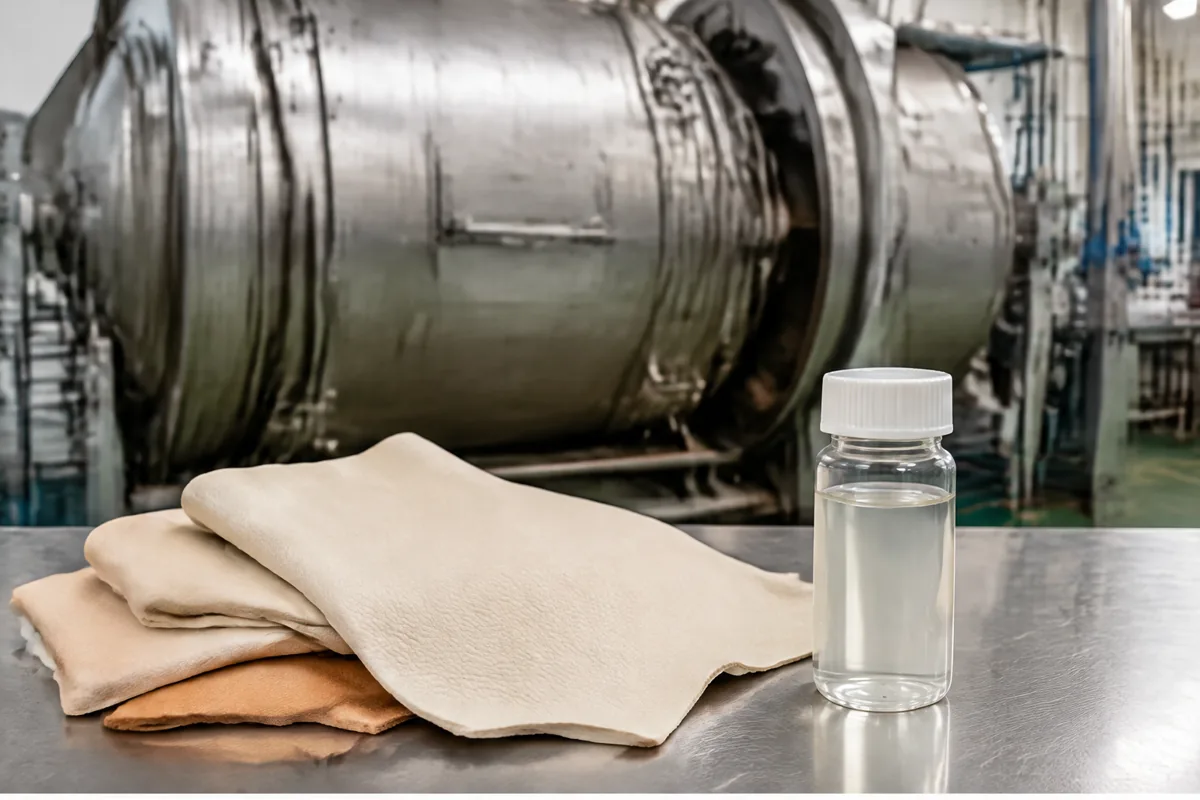
How do I find a Keratinase manufacturer for leather processing in Kolkata, India?
Enzyme Manufacturers connects buyer requirements with relevant manufacturers in India. This catalog guide covers the product, application and destination; it does not establish local stock or a nearby factory. Include intended use, operating conditions, volume and required documents so the responding supplier can assess grade and delivery feasibility.
How should I compare Keratinase quotations for delivery to Kolkata, India?
Compare the exact grade, activity method, form, validated dose, packaging and named delivery terms. Include freight, applicable taxes or duties, handling and incremental process costs. Describe the keratin material and whether the target is feather hydrolysis or controlled hair removal. Share processing chemistry and the quality limits for the recovered material. A low kilogram price alone does not establish the lowest cost per unit of acceptable output.
What results should a Keratinase trial in Kolkata, India demonstrate?
For feathers measure soluble protein and hydrolysis. For leather monitor hair removal, grain condition and strength so faster treatment does not mask material damage. Use representative raw material and a comparable control, record lot and dose, and agree quality and safety limits before starting. Repeat important observations and replace calculator assumptions with measured results before commercial adoption.
How is Keratinase selected for this application?
Run matched batches with and without Keratinase on the same raw material, holding operating conditions constant, and compare the process outcome, quality specifications and cost per unit of output.
What dosage should we use?
Dosage is grade- and process-specific. Share your raw material, operating pH, temperature, contact time and target outcome so the technical team can propose a trial programme.
Are the calculator savings guaranteed?
No. These are scenario estimates from your inputs, not measured Enzyme Manufacturers performance. Validate quality, costs and operating results in a controlled trial. Released time becomes financial value only if it can be used or a real cost is avoided.
Which specifications and documents should we request?
Request the current technical datasheet, activity specification, storage guidance, safety documentation and applicable certificates for the proposed product grade. Regulatory suitability must be confirmed for your intended use and market.
Can we discuss a sample for Kolkata, India?
Send your process conditions, trial quantity, destination and desired test date using the enquiry form. The responding manufacturer confirms sample availability, charges, packaging, shipment and technical support. Request grade-specific documents and a protocol before testing; free samples or delivery dates are not assumed.
Will our enquiry be kept confidential?
Enquiries are access restricted and shared with relevant manufacturers for responding to your request. For proprietary recipes, process data or documents, request an NDA before sharing sensitive details.
Which products should we evaluate for leather processing?
The sourcing directory includes Protease, Keratinase, Lipase. Product names are a starting point; the selected supplier must confirm intended use, grade and application suitability.
What information should we send for leather processing product selection?
Identify hide type and the exact soaking, unhairing, bating or degreasing stage. Share pH, temperature, exposure time, current chemicals and the target leather specification so protease or lipase selection protects the material. Include trial and recurring quantities, destination and required documentation so the manufacturer can respond to a defined requirement rather than a product name alone.
How should we measure leather processing trial performance?
Compare grain condition, softness, cleanliness, strength and finished-leather acceptance against matched hides. Record chemical use, processing time and relevant effluent indicators with the same sampling basis. Use a comparable control, record raw-material and process variation, and repeat key observations. Assess quality limits and unintended effects before converting any improvement into an economic estimate.
What checks are needed before commercial use in leather processing?
Protect collagen through controlled dose and contact time, and review operator exposure and process chemistry. Reduced chemical use or faster treatment must not compromise grain quality or required discharge controls.
Are dose, savings or field results guaranteed for leather processing?
No. Doses, performance and economics depend on the formulation and operating conditions. Calculator outputs are scenarios, not product qualification or proven results.
How can we request leather processing documents, a quotation or samples?
Send the intended use, conditions, required documents, quantity and destination through the enquiry form. Relevant manufacturers may review the requirement; availability and terms are confirmed directly by the supplier.
How do I find an enzyme manufacturer for leather processing?
Enzyme Manufacturers provides application-led sourcing for leather buyers. The catalog links Protease, Keratinase, Lipase to this application. Describe the target reaction and actual operating window; a relevant manufacturer assesses grade fit, supply feasibility and trial support. A listing is not confirmation that every grade meets every market's requirements.
How should we compare supplier quotations for leather processing?
Compare intended use, activity method, validated dose, required documentation and delivered terms on the same basis. For leather processing, measure compare grain condition, softness, cleanliness, strength and finished-leather acceptance against matched hides. Record chemical use, processing time and relevant effluent indicators with the same sampling basis. Include enzyme, handling and incremental operating costs, and do not double-count yield and throughput benefits.
Can we replace our existing leather processing enzyme without a new trial?
Reassess the activity method, carriers, formulation, stability and intended-use documents even if the enzyme name matches. Identify hide type and the exact soaking, unhairing, bating or degreasing stage. Share pH, temperature, exposure time, current chemicals and the target leather specification so protease or lipase selection protects the material. Agree a proportionate qualification trial and change-control review before adopting a substitute.